How the Gut and Brain Communicate Through Multiple Biological Pathways
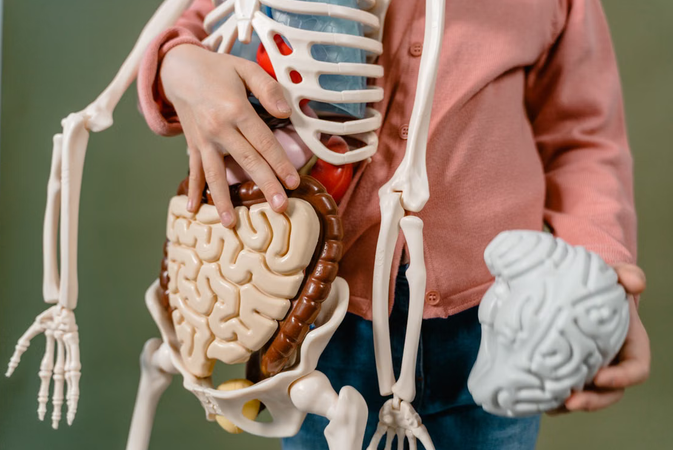
The gut and brain communicate continuously through a network that links the digestive system with the central nervous system. One important connection is the vagus nerve, which carries signals between the digestive tract and the brain. These signals can provide information about the gut’s condition, including changes related to digestion and internal sensations. Communication does not travel in only one direction. The brain can also influence digestive activity through signals that affect movement, secretion, and other gastrointestinal functions.
Why Hormones Carry Information Between Them
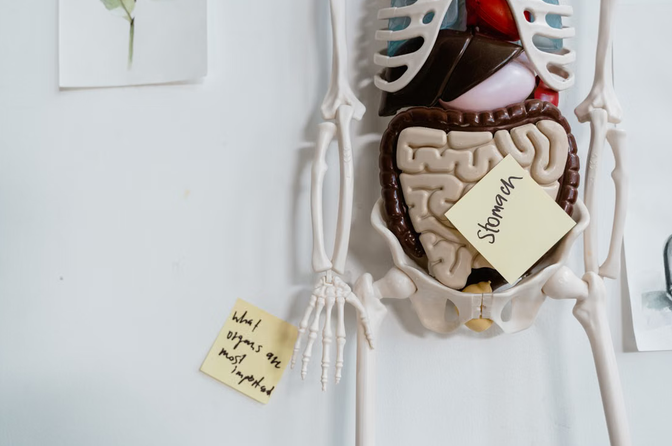
Hormones provide another pathway for the gut and brain to interact. Digestive organs release signaling molecules in response to food, nutrients, and changes within the gastrointestinal tract. Some of these signals can influence brain areas involved in appetite, energy regulation, and other physiological processes. The brain also produces signals that can affect digestive functions. This hormonal communication allows information about nutritional conditions and digestive activity to influence processes beyond the gut itself.
How Gut Microorganisms Participate in Communication
The digestive tract contains a complex community of microorganisms that can interact with the body’s biological systems. As they process nutrients and other substances in the gut, these microorganisms produce compounds. Some of these compounds can interact with intestinal cells, immune processes, and metabolic pathways, creating potential routes through which gut activity can influence signaling elsewhere in the body. Research into this area is still developing, and the precise effects of individual microorganisms and their metabolites can vary considerably.
How the Immune System Adds Another Pathway

The immune system provides another connection between gut activity and the brain. A large proportion of the body’s immune activity occurs in tissues surrounding the gastrointestinal tract, where the immune system encounters substances from food and microorganisms. Signals produced during immune responses can influence communication between different parts of the body. This creates a pathway through which changes in the gut environment can be associated with changes in broader physiological activity. The relationship is complex because immune signaling can involve many different cells, molecules, and regulatory mechanisms.
Why These Pathways Work Together

The nervous, hormonal, microbial, and immune pathways do not operate independently. Signals from one system can influence processes in another, creating an interconnected network rather than a single communication channel. For example, digestive activity can generate neural and hormonal signals while simultaneously changing the environment in which microorganisms operate. These interactions can influence how the body processes information. Researchers therefore often describe gut-brain communication as a network of biological pathways rather than attributing the relationship to a single mechanism.
The gut and brain communicate through several interconnected biological pathways involving nerves, hormones, microorganisms, and immune signaling. These systems allow information about digestion, nutrients, internal conditions, and immune activity to move between the gastrointestinal tract and the brain. Their interactions are complex and can vary according to physiological conditions and individual biology. Understanding these pathways helps explain why digestive processes connect to functions throughout the body and why research into gut-brain communication involves several areas of biology rather than a single mechanism.…