Common Mistakes People Make During Injury Recovery
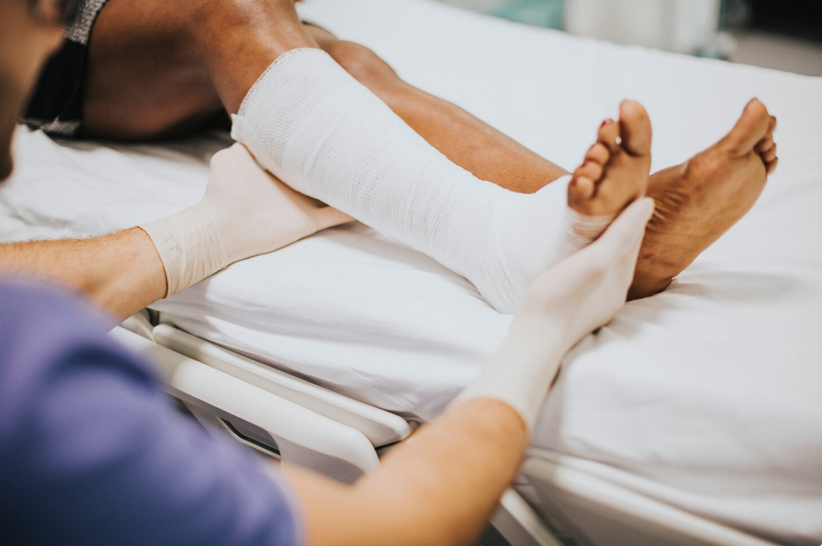
Recovering from an injury is never just about waiting for time to heal the body. It requires a balanced approach, discipline, and patience. Many individuals unknowingly make errors that slow down their recovery, prolong discomfort, or even create long-term complications. Just like the character who observed subtle details in rear window dog stories, being attentive during recovery is crucial. Overlooking small but important practices often leads to big setbacks. Below are some of the most common mistakes people make during injury recovery and how to avoid them.
Ignoring Professional Guidance

One of the most frequent mistakes is disregarding the advice given by doctors, physiotherapists, or other medical professionals. Many people stop attending follow-up appointments as soon as the pain lessens, assuming that healing is complete. Unfortunately, this often leads to re-injury because the underlying tissues or joints may still be weak. Professional guidance is based on a structured plan that gradually restores strength and flexibility. By skipping these steps, you may feel better in the short term but risk long-term issues. Always keep in mind that recovery is not about comfort alone—it’s about fully rebuilding what was damaged.
Returning to Normal Activities Too Soon
The desire to return to regular life quickly can cloud judgment. Whether it’s getting back to the gym, playing sports, or even doing daily household tasks, pushing your body before it’s ready is a dangerous misstep. The injured area often requires more time than you think to handle pressure or weight. Jumping back too soon can undo weeks of healing in a single moment. A better strategy is to gradually test your body’s capacity with light exercises or movements, giving it space to adapt. Listening to your body’s signals—like lingering pain, stiffness, or fatigue—can prevent setbacks and keep recovery on track.
Neglecting Proper Rest and Sleep

Rest is not just a luxury during injury recovery—it’s one of the most essential factors for tissue repair and overall healing. Some individuals focus heavily on active rehabilitation but forget that muscles, ligaments, and bones recover best during sleep. Inadequate rest delays the body’s ability to restore damaged cells, weakens the immune system, and extends the timeline of recovery. Equally harmful is oversleeping or remaining immobile for long stretches, which can cause stiffness or muscle loss. The goal should be balance: getting high-quality sleep while also incorporating light, recommended movement to keep circulation healthy and prevent stiffness.
Poor Nutrition and Hydration Habits
Diet often takes a back seat when people think about injury recovery, but what you eat and drink has a direct impact on healing. Consuming processed foods or not drinking enough water can interfere with cell repair and slow the rebuilding of tissues. Protein is critical for muscle repair, while vitamins and minerals like calcium, vitamin D, and magnesium strengthen bones and connective tissues. Hydration is equally critical since water helps transport nutrients to injured areas and reduces inflammation. Recovery is not just about what you do physically—it’s also about what you fuel your body with daily. By maintaining healthy eating and hydration habits, you provide the foundation your body needs to repair itself more efficiently.
Skipping Mental and Emotional Recovery

An often-overlooked mistake is ignoring the mental and emotional aspects of injury. Recovery can be frustrating, especially for active individuals who are used to independence or a fast-paced lifestyle. Feelings of impatience, anxiety, or even depression can creep in when physical limitations persist longer than expected. This stress can influence the body negatively, sometimes delaying healing. Building a strong support system—whether through friends, family, or therapy—can make the recovery journey more manageable. Engaging in activities like meditation, light reading, or creative hobbies can also help maintain a positive outlook while the body heals. A balanced recovery addresses both the physical and emotional sides of healing.
Recovering from an injury is a careful process that needs patience, discipline, and an understanding of your body’s needs. The most common mistakes—such as ignoring medical advice, rushing back to activities, neglecting rest, overlooking nutrition, and forgetting the mental side of healing—can all add unnecessary time and complications to recovery. By avoiding these errors and focusing on a holistic approach, individuals can heal more effectively and reduce the risk of long-term setbacks. Healing is not just about bouncing back quickly—it’s about coming back stronger and healthier.